Complaints Procedure — Westminster Skip Hire
 This Complaints Procedure explains how Westminster Skip Hire and associated skip hire services handle expressions of dissatisfaction about waste removal, rubbish removal or general skip hire operations. The purpose of this policy is to ensure that all complaints are dealt with in a timely, fair and transparent manner. It applies to customers and third parties who are affected by our skip hire company services, including delivery, collection, site conduct and disposal practices. The policy is intended to support proper resolution while protecting the integrity of operational processes.
Scope and principles
The scope covers complaints relating to both small and large-scale waste management work: from domestic waste skips to commercial site services. Our approach follows clear principles: impartiality, confidentiality and accountability. We will consider complaints about service quality, health and safety concerns, damage or unexpected charges, and other service-related matters. In all cases we will treat complainants with respect and ensure that complaints are recorded and investigated without undue delay.
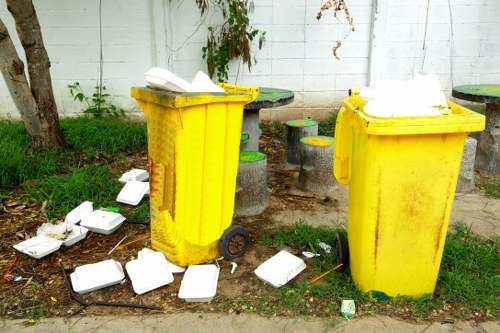 How to raise a complaint — While this page does not include direct contact details, complainants should use official channels already provided at the point of service or on applicable paperwork. When making a complaint please include a clear description of the issue, relevant dates, the location or job reference, and any supporting information such as photographs or booking references. To help us handle the matter effectively, please be as specific as possible.
- State the nature of the issue and the relevant service or vehicle.
- Provide the date and time of the incident, and any identifying references.
- List any immediate action you request (investigation, review, remedial work).
Acknowledgement and initial assessment
Once a complaint is received through the appropriate channel it will be acknowledged promptly. We aim to acknowledge receipt within a short, defined period and provide an outline of the next steps. An initial assessment determines whether the complaint can be resolved quickly or requires a full investigation. Simple matters may be resolved at first contact; more complex issues will be escalated for formal handling. All complaints are logged for tracking and quality control purposes. Investigation procedure — Formal investigations are carried out by an appointed officer or team not directly involved in the matter being investigated to maintain impartiality. The investigation will gather relevant evidence, interview staff where appropriate, and review records associated with the job. Where safety or legal issues emerge, we will take immediate interim measures to reduce risk. Investigations are conducted in a manner that respects confidentiality for all parties involved.
The investigation report will set out findings, any identified root causes and recommended actions. Outcomes can include a written explanation, an apology where appropriate, remedial action to correct service failures, and process improvements to prevent recurrence. If there are operational implications for our skip hire services, those will be implemented and monitored. Complainants will be informed of the outcome and the rationale behind decisions made.
Escalation and review — If the complainant is not satisfied with the outcome, they may request escalation within the organisation for an internal review. Escalation will be handled by a senior manager who was not involved in the initial investigation. The review focuses on whether the original process was fair, thorough and consistent with this complaints policy. Where appropriate, additional steps will be taken to reach a satisfactory resolution.
 External review options — For disputes that remain unresolved after internal escalation, there may be options for independent review or alternative dispute resolution. Such mechanisms depend on the nature of the complaint and any applicable regulatory framework. The company will provide information about external review paths when they are relevant and available. Complainants should note that statutory or regulatory bodies have their own remit and timescales.
 Record keeping and confidentiality — All complaint records are retained in accordance with our record-keeping policy and applicable law. Records include the complaint, investigation notes, correspondence and any corrective actions taken. We treat personal data in complaints with confidentiality and in accordance with data protection requirements. Access to case files is limited to those who need it for investigation, resolution or quality review.
Remedies and corrective action — Remedies are proportionate to the issue and may include remedial work, credits, or changes to operational procedures. The objective is to restore service standards and address any direct loss or harm resulting from our actions. Where systemic issues are identified, they will be escalated to senior management and added to a continuous improvement plan for the rubbish removal and skip hire business.
Monitoring and policy review — The complaints process itself is subject to periodic review to ensure it remains effective and fair. Trends and lessons learned from complaints about skip hire operations help shape training, operational changes and risk management. We are committed to using complaints constructively to improve service quality across our waste management and skip hire offerings.
Final note — This procedure sets out how complaints about waste collection, skip hire services and rubbish removal are handled. It is designed to be clear, consistent and proportionate, ensuring that issues are addressed and that the company learns from experience. We encourage the use of this formal route where issues cannot be resolved informally so that we may apply an appropriate and documented resolution process.